Ondoc Blog
Welcome to Ondoc’s medical info center – a trusted medical source of expert-reviewed articles, health tips, updates, and more. Stay informed and get the latest from top online doctors.
Women's Health
9 February 2025
Understanding Hormonal Imbalances, Menopause, PCOS, and More
Discover essential insights into women’s health, including hormonal imbalances, menopause, low estrogen, PCOS, vaginal infections, and available treatment options to maintain optimal well-being.
Introduction
Women’s health encompasses a broad range of conditions that affect physical, mental, and reproductive well-being. From hormonal imbalances to menopause, polycystic ovary syndrome (PCOS), and vaginal infections, understanding these conditions can help women take proactive steps toward better health. In this article, we’ll explore common women’s health issues, their causes, symptoms, and the latest treatment options available.
Hormonal fluctuations are a natural part of life, but imbalances can lead to various health issues. The endocrine system regulates hormones such as estrogen, progesterone, and testosterone, which influence everything from mood to metabolism.
- Causes of Hormonal Imbalances
– Menopause and perimenopause
– Polycystic ovary syndrome (PCOS)
– Thyroid disorders (hypothyroidism, hyperthyroidism)
– Stress and lifestyle factors
– Birth control and hormone therapy
– Chronic illnesses such as diabetes or autoimmune diseases
- Symptoms of Hormonal Imbalances
– Irregular or heavy menstrual cycles
– Unexplained weight gain or loss
– Mood swings, anxiety, or depression
– Fatigue and sleep disturbances
– Acne and hair thinning
– Low libido
- Diagnosis and Treatment
A doctor may perform blood tests to check hormone levels and recommend treatment based on the underlying cause. Treatment options may include:
– Lifestyle changes: A balanced diet, exercise, and stress management
– Medications: Birth control pills, hormone replacement therapy (HRT), or thyroid medications
– Supplements: Vitamin D, magnesium, and adaptogenic herbs
Menopause marks the end of a woman’s reproductive years and typically occurs between ages 45-55. It is characterized by a decline in estrogen levels, leading to various physical and emotional symptoms.
- Common Symptoms of Menopause
– Hot flashes and night sweats
– Vaginal dryness and discomfort
– Sleep disturbances
– Mood swings and irritability
– Decreased bone density (osteoporosis risk)
– Weight gain
- Treatment Options
– Hormone Replacement Therapy (HRT): Used to manage severe symptoms but may have risks
– Non-hormonal medications: Antidepressants and blood pressure medications for hot flashes
– Lifestyle changes: Regular exercise, a balanced diet, and stress reduction techniques like yoga
– Vaginal estrogen creams and lubricants to alleviate dryness
PCOS is a hormonal disorder affecting women of reproductive age and is linked to insulin resistance, irregular periods, and fertility issues.
- Causes of PCOS
– Excess androgen (male hormones)
– Insulin resistance
– Genetics
– Obesity and metabolic disorders
- Symptoms of PCOS
– Irregular or absent periods
– Excessive facial and body hair (hirsutism)
– Acne and oily skin
– Weight gain and difficulty losing weight
– Infertility
- Treatment Options
– Birth control pills to regulate menstrual cycles
– Metformin to manage insulin resistance
– Lifestyle changes such as a low-carb diet and regular exercise
– Anti-androgen medications to reduce excessive hair growth
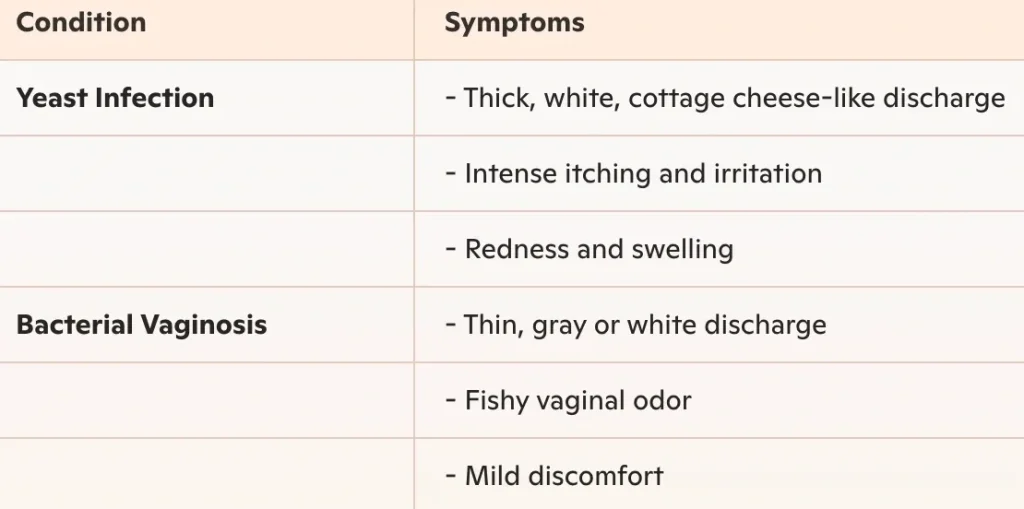
Vaginal infections can cause discomfort and disrupt daily life. Two of the most common types are yeast infections and bacterial vaginosis (BV).
- Causes of Vaginal Infections
– Antibiotic use
– Hormonal changes
– Unprotected sex
– Poor hygiene or excessive douching
– Diabetes and weakened immune system
- Symptoms of Yeast Infections vs. Bacterial Vaginosis
– Yeast infections: Antifungal medications that can be prescribed online (fluconazole, clotrimazole)
– Bacterial vaginosis: Antibiotics (metronidazole, clindamycin)
– Probiotics: Help restore healthy vaginal flora
– Good hygiene practices: Avoiding scented products and wearing breathable fabrics
Aside from hormonal imbalances and infections, women may experience conditions such as:
- Fibroids
– Non-cancerous growths in the uterus causing heavy periods and pelvic pain
– Treatment: Medications, minimally invasive procedures, or surgery
- Endometriosis
– A condition where uterine tissue grows outside the uterus, causing pain and infertility
– Treatment: Hormonal therapy, pain relievers, and surgery in severe cases
- Urinary Tract Infections (UTIs)
– Common bacterial infections causing frequent urination, burning sensation, and discomfort
– Treatment: Antibiotics and hydration
- When to See a Doctor online or in person
Women should schedule regular check-ups to monitor their reproductive and overall health. Seek medical attention if you experience:
– Unexplained changes in menstrual cycles
– Severe pelvic or abdominal pain
– Persistent vaginal infections or unusual discharge
– Unexplained weight changes or fatigue
– Difficulty conceiving
Conclusion
Women’s health is complex and requires proactive management through lifestyle changes, medical care, and awareness of common conditions. Understanding hormonal imbalances, menopause, PCOS, and vaginal infections empowers women to make informed health decisions. If you are experiencing any symptoms related to these conditions, consult a healthcare provider for personalized treatment options.
Stay informed and take charge of your health!
Sign up for blog updates!
Join my email list to receive updates and information.